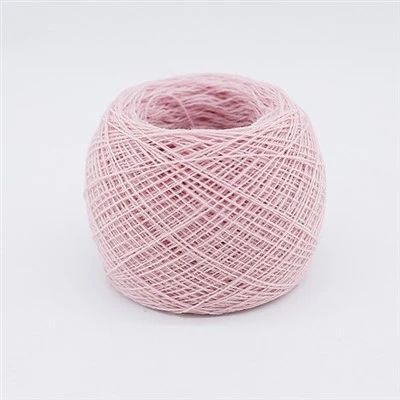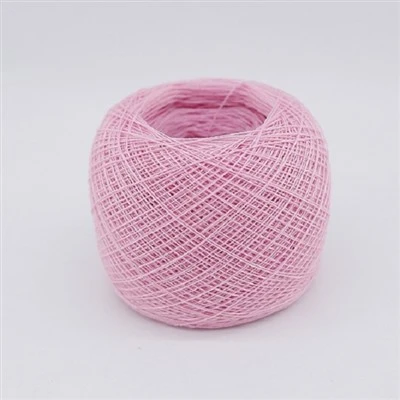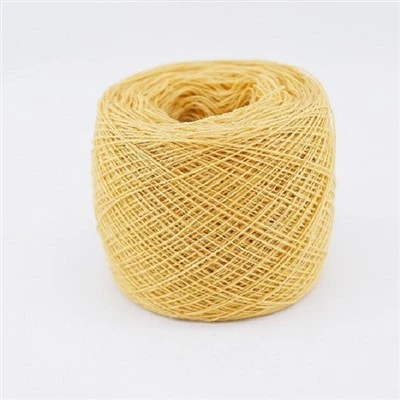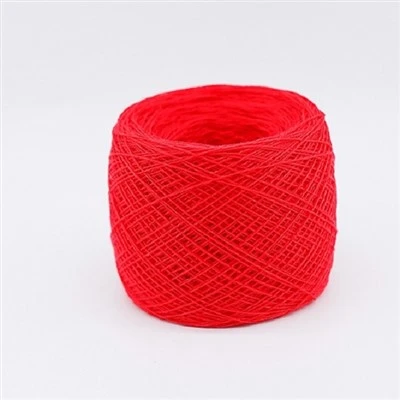

From the very first step, the rabbits with the finest fur are selected for their wool. The wool-growing period is 80-90 days. First, the coarse hair is plucked and separated by hand. Then, the down is cut with scissors, separating the down smaller than 4 cm (head, paw, and leg hair). 100% of the down is hand-plucked from the back, and then carefully selected by hand. It undergoes multiple combing processes on a rabbit down yarn combing machine. Rabbit down yarn is characterized by its lightness, softness, smoothness, and plushness.
Rabbit down yarn is made from rabbit hair through a rigorous combing process. It not only retains the original properties of rabbit hair but is also smoother, whiter, has fewer impurities, a higher yarn yield, and more uniform yarn. It is a high-grade textile raw material and is listed as a special fiber among natural fibers by the international textile industry.
Due to intense competition in the yarn market, many wool textile companies use low-priced rabbit down mixed with washed wool, which is the main reason for the shedding of rabbit hair products. This also affects the quality and market reputation of rabbit hair products. Rabbit wool is pure white, soft, and has long, fine fibers. It can be blended with other fibers or spun into pure rabbit wool yarn. Fabrics woven from pure rabbit wool yarn are the most popular fashion fabrics on the market. Rabbit wool sweaters and underwear are not only beautiful and elegant but also have health benefits and are inexpensive.
It is comparable in quality to cashmere and can be blended with cashmere in various proportions to create high-grade rabbit wool-cashmere yarns. Many wool mills are brainstorming ways to develop and utilize rabbit wool yarn for clothing, but the key issue is finding good raw materials. Cashmere yarn has the advantage of being able to comb rabbit wool very well. Because the cost of cashmere yarn makes cashmere products too expensive, rabbit wool can be used as a substitute, offering a soft, smooth, and lightweight feel.