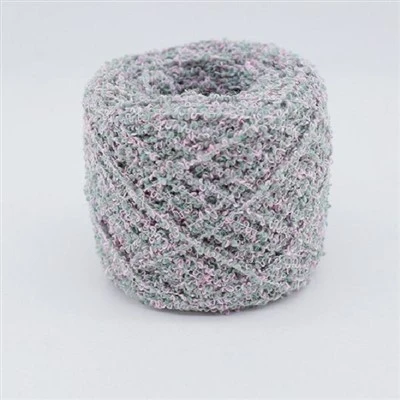

Hey there! As a supplier of Angora blend yarn, I'm super stoked to take you on a behind - the - scenes tour of how this amazing yarn is made. It's like a little magic process that turns raw materials into something you can use to create all sorts of cool stuff, from cozy scarves to cute baby booties.
Step 1: Sourcing the Raw Materials
The first step in making Angora blend yarn is getting the right raw materials. Angora wool is the star of the show here. It comes from Angora rabbits, which are pretty adorable, by the way. These rabbits produce a really soft and fluffy wool that's known for its warmth and luxurious feel.
But Angora wool is often blended with other fibers to make it more durable and easier to work with. Some common fibers we use for blending include nylon, acrylic, mercerized wool, acrylic polyester, and chunky wool. You can check out our Nylon Blend Yarn, Acrylic Blend Yarn, Mercerized Wool Blend Yarn, Acrylic Polyester Wool Blend, and Chunky Wool Blend Yarn for more details on these blends.
We source our Angora wool from reliable farms where the rabbits are well - cared for. The farmers follow strict animal welfare guidelines to ensure the rabbits are healthy and stress - free. For the other fibers, we work with high - quality suppliers to make sure we get the best possible materials.
Step 2: Cleaning and Sorting
Once we have the raw materials, the next step is to clean and sort them. Angora wool can be pretty dirty when it's first shorn from the rabbits. It might have bits of hay, dirt, or other debris in it. So, we use a process called scouring to clean the wool. This involves soaking the wool in a special solution that removes the dirt and grease without damaging the fibers.
After scouring, the wool is sorted by quality and color. We separate the different grades of Angora wool based on factors like fiber length, fineness, and strength. This helps us create consistent blends later on. The other fibers are also sorted and prepared for blending.
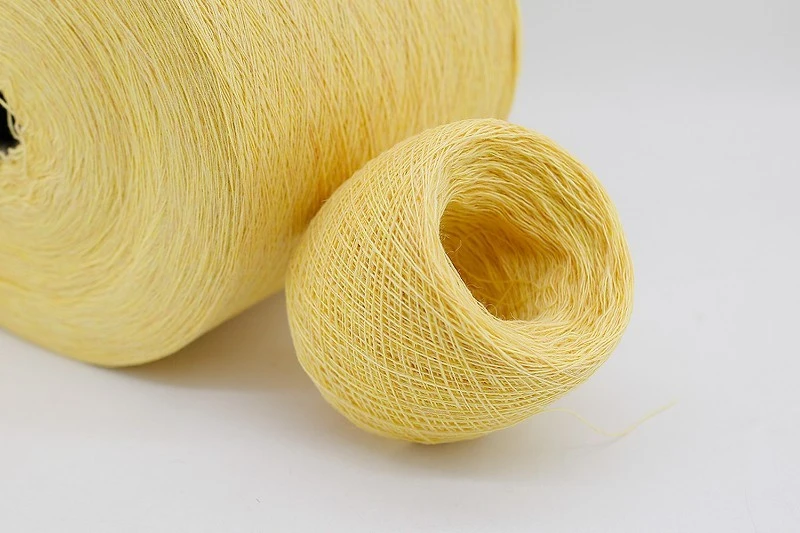
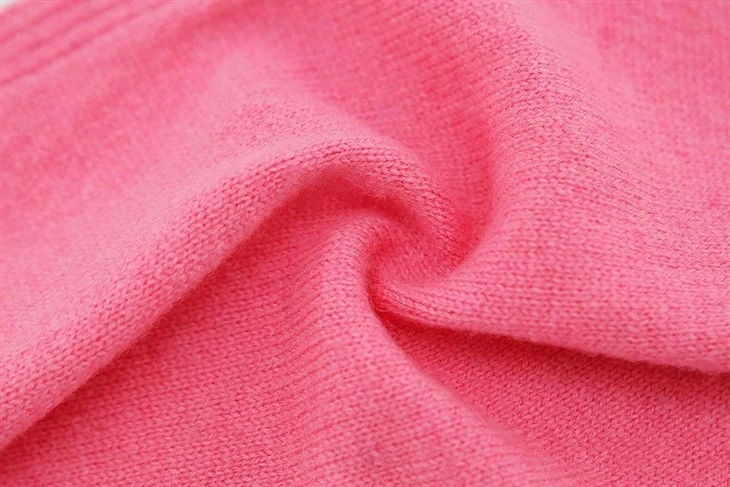
Step 3: Blending the Fibers
Now comes the fun part - blending the fibers! This is where we combine the Angora wool with the other selected fibers to create a unique blend. The ratio of Angora to other fibers can vary depending on the desired characteristics of the final yarn.
For example, if we want a yarn that's really soft and warm but also has some durability, we might blend 30% Angora wool with 70% nylon. If we're going for a super fluffy and lightweight feel, we could do a 50/50 blend of Angora and acrylic.
The blending is done using special machines that mix the fibers together evenly. These machines use a series of rollers and combs to make sure the fibers are thoroughly combined. The result is a big mass of blended fibers that's ready for the next step.
Step 4: Carding
Carding is a crucial step in the yarn - making process. It involves passing the blended fibers through a series of wire - toothed cards. These cards help align the fibers in the same direction, remove any remaining tangles, and make the fibers more uniform.
There are two main types of carding: woolen carding and worsted carding. Woolen carding produces a fluffy, soft yarn with a lot of air trapped between the fibers. This type of yarn is great for making warm, cozy items. Worsted carding, on the other hand, aligns the fibers more tightly, resulting in a smoother, stronger yarn. We choose the type of carding based on the intended use of the Angora blend yarn.
Step 5: Spinning
After carding, the next step is spinning. Spinning is what turns the carded fibers into yarn. We use spinning machines that twist the fibers together to create a continuous strand of yarn. The speed and tension of the spinning process can be adjusted to control the thickness and strength of the yarn.
There are different spinning techniques, such as ring spinning, open - end spinning, and roving spinning. Each technique has its own advantages and produces a slightly different type of yarn. For Angora blend yarn, we usually use ring spinning because it gives a high - quality, smooth yarn with good strength.
Step 6: Plying (Optional)
Sometimes, we ply the spun yarn. Plying involves twisting two or more single strands of yarn together to create a thicker, stronger yarn. This can improve the durability of the Angora blend yarn and give it a more interesting texture.
The number of plies can vary. For example, a two - ply yarn is made by twisting two single strands together, while a three - ply yarn uses three strands. Plying is especially useful for yarns that will be used in high - stress applications, like knitting a heavy sweater.
Step 7: Dyeing
Once the yarn is spun (and possibly plied), it's time to add some color. We offer a wide range of colors for our Angora blend yarn. Dyeing is done using either natural or synthetic dyes, depending on the customer's preference.
Natural dyes are made from plants, animals, or minerals and are a more eco - friendly option. They can produce beautiful, subtle colors. Synthetic dyes, on the other hand, offer a wider range of bright and vivid colors.
The dyeing process involves soaking the yarn in a dye bath and carefully controlling the temperature and time to ensure even color absorption. After dyeing, the yarn is rinsed and dried to remove any excess dye.
Step 8: Finishing
The final step in making Angora blend yarn is finishing. This involves treating the yarn to make it more soft, smooth, and easy to work with. We might use a process called conditioning, which involves adding a special lubricant to the yarn to reduce friction.
We also test the yarn for quality at this stage. We check for things like strength, colorfastness, and evenness. If the yarn passes all the tests, it's ready to be packaged and shipped to our customers.
Why Choose Our Angora Blend Yarn?
Our Angora blend yarn has a lot going for it. First of all, it's super soft and warm. The Angora wool gives it that luxurious, fluffy feel that's hard to beat. And because it's blended with other fibers, it's more durable than pure Angora wool.
We use high - quality raw materials and follow strict quality control measures throughout the manufacturing process. This ensures that you get a consistent, high - quality product every time. Plus, we offer a wide range of colors and blends to suit your specific needs.
If you're a knitter, crocheter, or a textile manufacturer looking for a great Angora blend yarn, we'd love to hear from you. Whether you're working on a small personal project or a large - scale production run, we can provide the right yarn for you. Just reach out to us to discuss your requirements and start a procurement conversation.
References
- Textile Manufacturing Handbook
- Wool and Fiber Science by P. J. Herzog
So, there you have it - the ins and outs of how Angora blend yarn is made. I hope this blog has given you a better understanding of the process and why our yarn is a great choice. If you have any questions or want to know more, don't hesitate to get in touch!