
Adjusting the density of woolen-spun fashion yarn in a project is a crucial skill that can significantly impact the final outcome of your textile creation. As a supplier of Woolen-Spun Fashion Yarn, I've witnessed firsthand how the right density can transform a simple design into a masterpiece. In this blog post, I'll share some practical tips and techniques to help you master this art.
Understanding Yarn Density
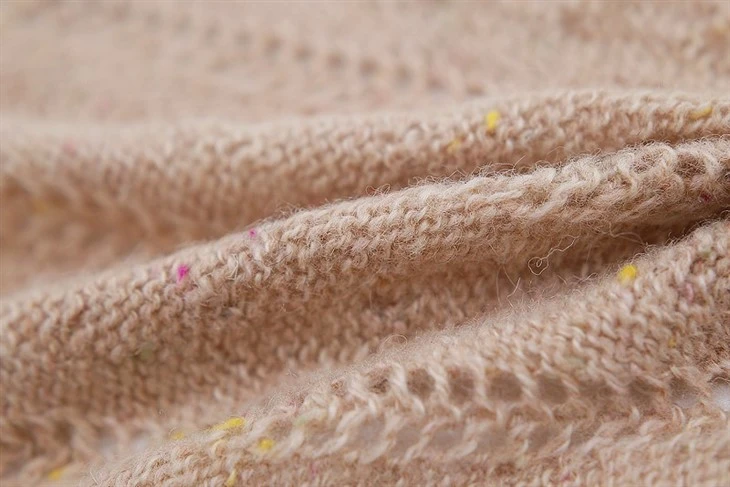
Before we dive into the adjustment methods, it's essential to understand what yarn density means. Yarn density refers to the amount of yarn packed within a given area or volume. It affects the fabric's weight, texture, drape, and overall appearance. A higher density yarn will result in a thicker, more substantial fabric, while a lower density yarn will create a lighter, airier feel.
Factors Affecting Yarn Density
Several factors can influence the density of woolen-spun fashion yarn in a project. Understanding these factors will help you make informed decisions when adjusting the density.
- Fiber Type: Different fibers have different characteristics that can affect density. For example, wool fibers are naturally crimped, which can create a more open and airy yarn. In contrast, synthetic fibers may be smoother and denser.
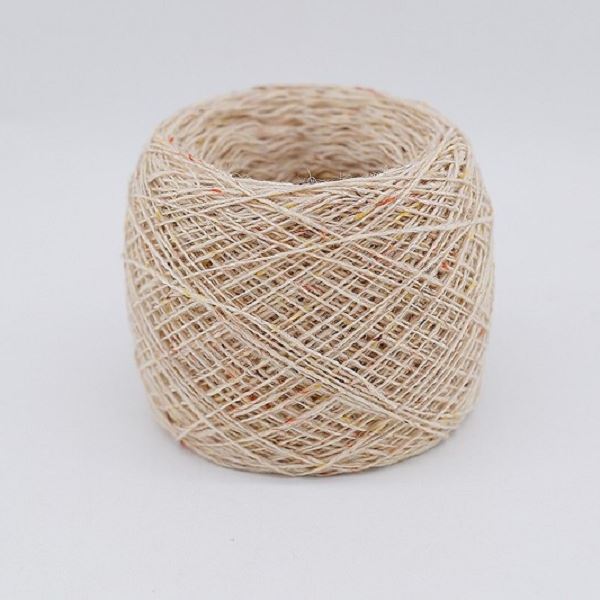
- Yarn Twist: The twist of the yarn also plays a role in density. A higher twist will result in a tighter, more compact yarn, while a lower twist will create a looser, fluffier yarn.
- Gauge: The gauge, or the number of stitches and rows per inch, is a critical factor in determining yarn density. A smaller gauge will result in a denser fabric, while a larger gauge will create a lighter fabric.
- Needle or Hook Size: The size of the needle or hook used in knitting or crocheting can also affect density. A smaller needle or hook will create a tighter stitch and a denser fabric, while a larger needle or hook will result in a looser stitch and a lighter fabric.
Methods for Adjusting Yarn Density
Now that you understand the factors affecting yarn density, let's explore some methods for adjusting it in your project.
Changing the Needle or Hook Size
One of the simplest ways to adjust yarn density is by changing the needle or hook size. If you want a denser fabric, use a smaller needle or hook. Conversely, if you want a lighter fabric, use a larger needle or hook. Keep in mind that changing the needle or hook size will also affect the gauge of your project, so you may need to adjust your pattern accordingly.
Adjusting the Gauge
As mentioned earlier, the gauge is a crucial factor in determining yarn density. If you want to increase the density of your fabric, you can try reducing the gauge by knitting or crocheting more stitches and rows per inch. Conversely, if you want to decrease the density, you can increase the gauge by knitting or crocheting fewer stitches and rows per inch. You can adjust the gauge by changing the needle or hook size, the tension of your stitches, or the type of stitch you use.
Using Different Yarns
Another way to adjust yarn density is by using different types of yarns. You can combine different yarn weights, textures, or fibers to create a custom densi ty. For example, you can use a thicker yarn for the main body of your project and a thinner yarn for the details to add contrast and dimension. You can also use a blend of different fibers to achieve a specific density and texture.
Modifying the Stitch Pattern
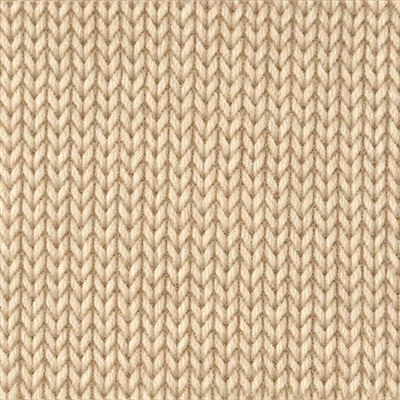
The stitch pattern you choose can also affect the density of your fabric. Some stitch patterns, such as stockinette stitch, create a more compact and dense fabric, while others, such as garter stitch, create a lighter and airier fabric. You can experiment with different stitch patterns to find the one that works best for your project. You can also modify the stitch pattern by adding or subtracting stitches to create a custom density.
Tips for Adjusting Yarn Density in Specific Projects
Here are some tips for adjusting yarn density in specific types of projects:
Knitted Sweaters
When knitting a sweater, you may want to adjust the density of the yarn to create a flattering fit. For example, you can use a denser yarn for the body of the sweater to provide more warmth and structure, and a lighter yarn for the sleeves and collar to add a touch of elegance. You can also adjust the density of the yarn in different parts of the sweater to create a more fitted or relaxed look.
Crocheted Blankets
For crocheted blankets, you may want to adjust the density of the yarn to create a cozy and comfortable feel. You can use a thicker yarn for the main body of the blanket to provide more warmth and weight, and a thinner yarn for the border to add a decorative touch. You can also experiment with different stitch patterns to create a variety of textures and densities.
Handmade Scarves
When making a handmade scarf, you can adjust the density of the yarn to create a lightweight and breathable accessory. You can use a lighter yarn for the main body of the scarf to allow air to circulate, and a denser yarn for the fringe to add a pop of color and texture. You can also choose a stitch pattern that creates an open and airy look.
Conclusion
Adjusting the density of woolen-spun fashion yarn in a project is a skill that requires practice and experimentation. By understanding the factors affecting yarn density and using the methods and tips outlined in this blog post, you can create textiles that are not only beautiful but also functional and comfortable. Whether you're a beginner or an experienced crafter, I encourage you to explore the world of yarn density and discover the endless possibilities it offers.
If you're interested in purchasing high-quality Woolen-Spun Fashion Yarn, Woolen-Spun Wool Fleck Yarn, Woolen-Spun Tweed Yarn, Woolen-Spun Fleck Knitting Yarn, or Woolen-Spun Wool Fleck Knitting Yarn for your next project, please don't hesitate to contact us. We're here to help you find the perfect yarn for your needs and provide you with the support and guidance you need to create beautiful textiles.
References
- Bradford, R. (2018). The Complete Book of Yarn. Sterling Publishing.
- Gibson, V. (2016). Yarn Therapy: Knitting and Crochet Wellness Patterns. Interweave Press.
- Malcolm, E. (2017). The Knitter's Book of Yarn. Storey Publishing.