
When it comes to knitting socks, one of the most debated topics among knitters and sock enthusiasts is the durability of sock yarn with nylon. As a supplier of Sock Yarn with Nylon, I've had numerous discussions with customers, and I've seen firsthand how different types of yarn perform in real - world use. In this blog, we'll explore the science behind nylon in sock yarn, its impact on durability, and why it's a popular choice for many.
The Science of Nylon in Sock Yarn
Nylon is a synthetic polymer that was first introduced in the 1930s. It quickly gained popularity due to its strength, elasticity, and resistance to abrasion. When blended with natural fibers like wool, nylon enhances the overall performance of the yarn.
The structure of nylon consists of long, chain - like molecules that are tightly packed together. This molecular structure gives nylon its high tensile strength, which means it can withstand a significant amount of pulling force without breaking. In sock yarn, this translates to better resistance against tearing and stretching during normal wear and washing.
Moreover, nylon has excellent elasticity. It can stretch and then return to its original shape, which is crucial for socks that need to fit snugly around the foot and ankle. When combined with wool, which also has some natural elasticity, the resulting blend creates a yarn that can conform to the foot's movements without losing its shape over time.
Durability Factors of Sock Yarn with Nylon
Abrasion Resistance
One of the primary reasons for adding nylon to sock yarn is to increase its abrasion resistance. Socks are constantly in contact with shoes, feet, and other surfaces, which causes friction. Over time, this friction can wear down the yarn and lead to holes. Nylon's smooth surface and strong molecular structure make it highly resistant to abrasion.
For example, a pair of socks made from Wool and Nylon Sock Yarn will last much longer than a pair made from 100% wool yarn. The nylon fibers act as a protective layer, reducing the amount of wear and tear on the wool fibers. This is especially important for people who are on their feet for long periods, such as nurses, construction workers, or athletes.
Pilling Resistance
Pilling is another common issue with sock yarn. It occurs when the fibers on the surface of the sock break and tangle together, forming small balls of fuzz. Nylon is less prone to pilling compared to natural fibers like wool. When blended with wool in sock yarn, nylon helps to reduce the formation of pills.
The smooth surface of nylon fibers prevents them from easily snagging and breaking, which is the first step in the pilling process. By adding nylon to the blend, the overall pilling resistance of the sock yarn is significantly improved. This means that your socks will look better for longer, maintaining their smooth appearance even after multiple washes and wears.
Colorfastness
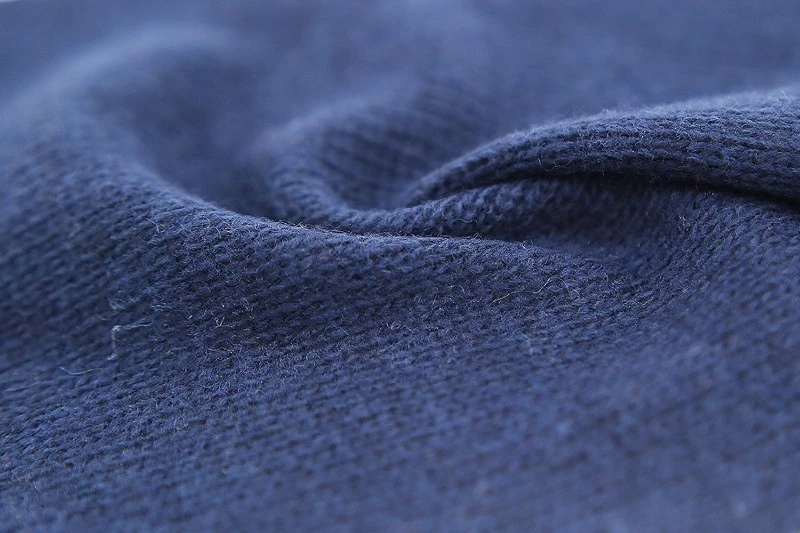
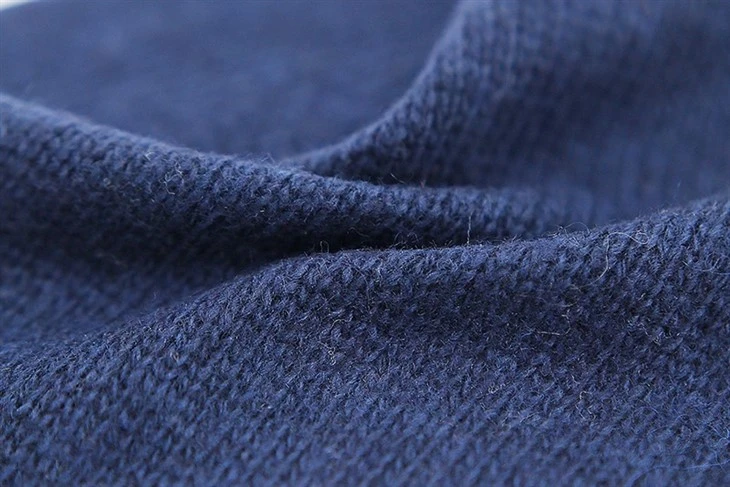
Nylon also has good colorfastness properties. This means that it holds dye well and is less likely to fade over time. When you wash socks made with nylon - blend yarn, the colors are more likely to stay vibrant and true compared to socks made from natural fibers alone.
The chemical structure of nylon allows it to bond tightly with dyes, preventing them from leaching out during washing. This is an important factor for durability, as faded socks not only look less appealing but can also give the impression of being worn out, even if the physical integrity of the yarn is still good.
Comparing Sock Yarn with Nylon to Other Yarns
Soft Wool Blend Yarn
Soft Wool Blend Yarn is known for its softness and warmth. However, when it comes to durability, it may not be as long - lasting as sock yarn with nylon. Soft wool blend yarns are often made with a high percentage of wool, which is more prone to abrasion, pilling, and stretching.
While soft wool blend yarns can be great for creating cozy, comfortable socks, they may not be the best choice for everyday wear or for people with high - activity lifestyles. Sock yarn with nylon offers a better balance between softness and durability, making it suitable for a wider range of applications.
Mercerized Wool Blend Yarn
Mercerized Wool Blend Yarn is wool that has been treated with caustic soda to improve its luster, strength, and dye absorption. While mercerized wool has some advantages in terms of durability compared to untreated wool, it still may not match the durability of sock yarn with nylon.
The mercerization process does increase the strength of the wool fibers, but nylon provides an additional layer of protection against abrasion and stretching. Sock yarn with nylon can withstand more wear and tear, making it a better option for socks that need to stand up to frequent use.
Nylon Blend Yarn
Nylon Blend Yarn in general offers good durability, but sock yarn with nylon is specifically formulated for the unique demands of sock - making. Sock yarn often has a higher twist to make it more resilient, and it may also have a specific blend ratio of nylon to other fibers to optimize its performance for socks.
Other nylon blend yarns may be used for different purposes, such as knitting scarves, hats, or sweaters. While they may share some of the durability benefits of nylon, they may not have the same characteristics as sock yarn with nylon that are tailored to the needs of socks.
Practical Considerations for Using Sock Yarn with Nylon
Care Instructions
To ensure the long - term durability of socks made from sock yarn with nylon, it's important to follow proper care instructions. While nylon is relatively resistant to damage, harsh detergents, high - heat drying, and rough handling can still affect its performance.
It's recommended to wash socks in cold or lukewarm water with a mild detergent. Avoid using bleach or fabric softeners, as these can break down the fibers over time. When drying, air - dry the socks instead of using a dryer, as high heat can cause the nylon to shrink or lose its elasticity.
Blending Ratios
The ratio of nylon to other fibers in the sock yarn can also affect its durability. Generally, a higher percentage of nylon will result in a more durable sock. However, too much nylon can make the socks feel less soft and comfortable.
Most sock yarns with nylon contain between 10% and 30% nylon. This blend ratio provides a good balance between durability and comfort. Knitters can choose the blend ratio based on their specific needs, such as the intended use of the socks and personal comfort preferences.
Conclusion
In conclusion, sock yarn with nylon is indeed durable. Its combination of abrasion resistance, pilling resistance, and colorfastness makes it a superior choice for creating long - lasting socks. Whether you're a professional athlete, someone who spends a lot of time on their feet at work, or just an everyday person looking for socks that will stand the test of time, sock yarn with nylon is an excellent option.
As a supplier of Sock Yarn with Nylon, we're committed to providing high - quality yarn that meets the needs of our customers. If you're interested in purchasing our sock yarn or have any questions about our products, please reach out. We'd be happy to discuss your requirements and help you find the perfect yarn for your next sock - knitting project.
References
- "The Science of Synthetic Fibers", Textile Institute Journal, 2018.
- "Durability Testing of Wool - Nylon Blend Yarns", Journal of Fiber Science and Technology, 2020.
- "Colorfastness in Textile Blends", International Journal of Textile Research, 2019.