
As a supplier of Superior Cashmere Yarn, I often encounter inquiries about the durability of our product. This is a crucial concern for both manufacturers and end - users, as durability directly impacts the value and lifespan of any item made from the yarn. In this blog post, I will explore the factors that determine the durability of Superior Cashmere Yarn and provide a comprehensive answer to the question: Is Superior Cashmere Yarn durable?
Understanding Cashmere
Cashmere is a fine natural fiber obtained from the undercoat of cashmere goats. It is renowned for its softness, warmth, and luxurious feel. Superior Cashmere Yarn is made from the highest - quality cashmere fibers, which are carefully selected and processed to ensure the best possible characteristics.
Factors Affecting Durability
Fiber Quality
The durability of Superior Cashmere Yarn starts with the quality of the raw fibers. High - grade cashmere fibers are longer, finer, and more uniform in diameter compared to lower - quality ones. Longer fibers are more resistant to breakage, as they can better distribute the stress when the yarn is pulled or stretched. Finer and more uniform fibers also contribute to a stronger and more cohesive yarn structure. Our Superior Cashmere Yarn is sourced from cashmere goats that are bred and raised under optimal conditions, ensuring the highest fiber quality.
Processing Techniques
The way cashmere fibers are processed into yarn has a significant impact on its durability. Gentle processing methods help to preserve the integrity of the fibers. For example, during the spinning process, a lower twist can be applied to create a softer yarn, but this may reduce its strength. On the other hand, a higher twist can enhance the yarn's durability but may sacrifice some of its softness. At our company, we have developed advanced processing techniques that strike the perfect balance between softness and durability. We use state - of - the - art machinery and follow strict quality control measures to ensure that each batch of Superior Cashmere Yarn meets our high standards.
Yarn Construction
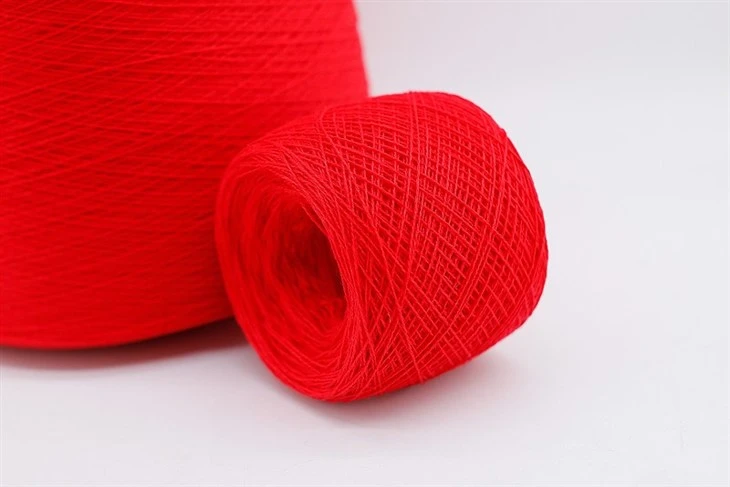
The construction of the yarn, such as its thickness and ply, also affects its durability. Thicker yarns are generally more durable than thinner ones because they contain more fibers. Plied yarns, which are made by twisting multiple strands together, are stronger and more resilient than single - ply yarns. Our Super Bulky Cashmere Yarn is a great example of a durable yarn construction. It has a thick and robust structure, making it suitable for projects that require long - lasting quality.
Durability in Practical Use
Wear and Tear
In everyday use, Superior Cashmere Yarn exhibits good resistance to wear and tear. When used to make clothing items like sweaters, scarves, or hats, it can withstand normal washing, drying, and handling. However, it is important to note that cashmere is a delicate fiber, and excessive friction or rough handling can cause pilling. Pilling occurs when short fibers on the surface of the yarn break and tangle together, forming small balls. To minimize pilling, it is recommended to wash cashmere items gently, use a mild detergent, and avoid harsh scrubbing.
Long - term Storage
Proper long - term storage is also crucial for maintaining the durability of cashmere products. Cashmere should be stored in a cool, dry place, away from direct sunlight. Moths are attracted to natural fibers like cashmere, so it is advisable to use moth - repellents such as cedar chips or lavender sachets. By following these storage guidelines, cashmere items can retain their quality and durability for many years.
Comparing with Other Yarn Types
100 Percent Cashmere Yarn vs. Blended Yarns
100 Percent Cashmere Yarn offers the purest form of cashmere experience, with its unparalleled softness. However, in terms of durability, blended yarns may have an edge. For example, Cotton Cashmere Blend Yarn combines the softness of cashmere with the strength of cotton. The addition of cotton fibers increases the yarn's abrasion resistance and reduces pilling. Similarly, Cashmere Wool Blend Yarn combines the warmth and softness of cashmere with the natural strength and durability of wool.
Cashmere vs. Synthetic Yarns
Synthetic yarns are often known for their high durability and resistance to wear. However, they lack the natural softness and breathability of cashmere. Superior Cashmere Yarn may not be as resistant to extreme conditions as synthetic yarns, but it offers a luxurious and comfortable experience that synthetic materials cannot match. Moreover, with proper care, cashmere can last a long time and provide a timeless elegance to any product.
Maintenance Tips for Durability
Washing
- Use a gentle detergent: Choose a mild detergent specifically formulated for delicate fibers.
- Hand - wash or use a delicate cycle: Avoid using the regular or heavy - duty cycle on your washing machine, as this can cause excessive agitation and damage the yarn.
- Cold water: Wash cashmere items in cold water to prevent shrinkage and fiber damage.
Drying
- Lay flat to dry: Do not wring or twist cashmere items. Instead, gently press out the excess water and lay them flat on a clean towel to dry.
- Avoid direct heat: Do not use a dryer or place the items in direct sunlight, as this can cause the fibers to shrink and become brittle.
Ironing
- Low heat: If ironing is necessary, use a low - heat setting and place a pressing cloth between the iron and the cashmere to prevent scorching.
Conclusion
In conclusion, Superior Cashmere Yarn can be highly durable if the quality of the fibers is high, proper processing techniques are used, and the yarn is constructed well. While it may not be as indestructible as some synthetic yarns, with gentle care and appropriate maintenance, cashmere products can last for many years. Whether you are a knitter, a crocheter, or a manufacturer, our Superior Cashmere Yarn offers a great combination of luxury and durability.
If you are interested in purchasing Superior Cashmere Yarn for your next project, we would be delighted to discuss your requirements. Contact us today to start a conversation about how our high - quality yarn can meet your needs and exceed your expectations.
References
- Morton, W. E., & Hearle, J. W. S. (1993). Physical Properties of Textile Fibres. Woodhead Publishing.
- Postle, R. (1995). The Science of Textiles. The Textile Institute.