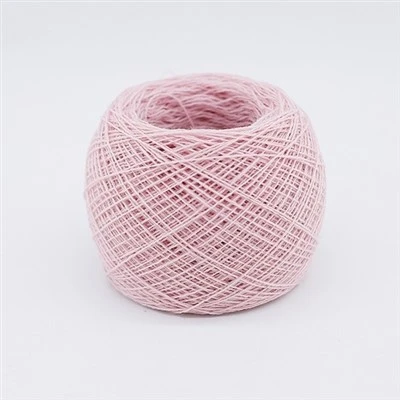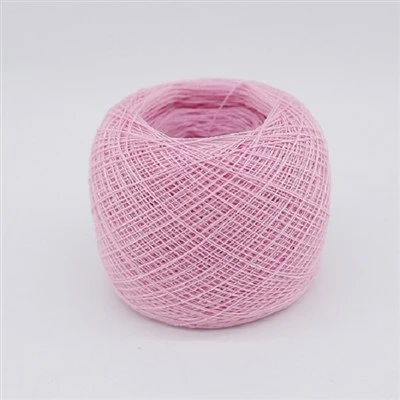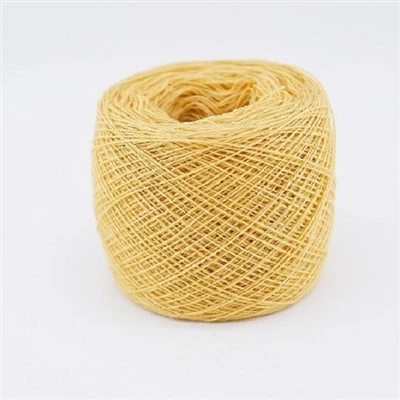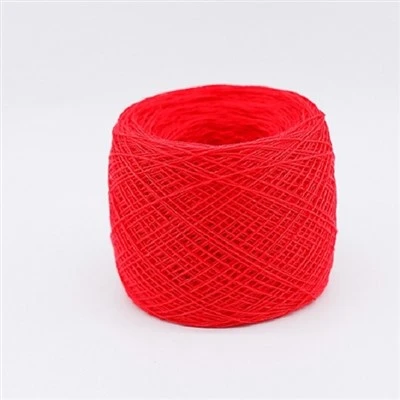

Wondering if you can use Superior Cashmere Yarn for felting? Well, you've landed in the right place! As a supplier of top - notch Superior Cashmere Yarn, I'm here to spill the beans on this topic.
First off, let's understand what felting is. Felting is a process where fibers are matted and compressed together to create a dense fabric. There are two main types: wet felting and needle felting. In wet felting, you use water, soap, and friction to entangle the fibers. Needle felting, on the other hand, involves using specialized needles to repeatedly poke and mat the fibers.
Now, what makes cashmere so special? Cashmere comes from the soft undercoat of cashmere goats. It's incredibly soft, warm, and has a luxurious feel. Our Superior Cashmere Yarn is of the highest quality, sourced from the best cashmere - producing regions. It's super fine and has excellent drape, making it a favorite for all sorts of knitting and crocheting projects.
But can you use it for felting? The short answer is yes, but there are some things to consider.
The Good Stuff about Using Cashmere Yarn for Felting
- Softness: The resulting felted item will be incredibly soft to the touch. Imagine having a felted scarf or a pair of mittens made from our cashmere yarn. It would be like wrapping yourself in a cloud! This softness makes cashmere - felted items great for sensitive skin and for creating high - end, luxury products.
- Warmth: Cashmere is known for its insulating properties. A felted piece made from cashmere yarn will keep you toasty during the cold months. It traps air between the fibers, providing natural warmth without being too bulky.
- Versatility: Cashmere yarn can be used for various felting projects. You can make small trinkets like keychains, larger items such as bags, or even clothing pieces like hats or sweaters. The possibilities are endless!
Challenges and Considerations
- Cost: Cashmere is a premium fiber, and our Superior Cashmere Yarn reflects that quality. It's more expensive compared to other fibers commonly used for felting, like wool. So, if you're working on a large project, the cost can add up quickly.
- Fiber Structure: Cashmere fibers are finer and smoother than traditional felting wools. This means they can be a bit trickier to felt. The fine fibers might not entangle as easily as coarser wool fibers, so you may need to put in a bit more effort during the felting process.
- Shrinkage: Cashmere can shrink quite a bit when felted. You need to be careful with your sizing and measurements when planning your project. Make sure to account for shrinkage so that your final product turns out the right size.
Tips for Felting with Superior Cashmere Yarn
Wet Felting
- Choose the Right Soap: Use a mild, natural soap. This helps to lubricate the fibers and allows them to move and entangle more easily. Avoid using harsh detergents as they can damage the delicate cashmere fibers.
- Control the Temperature: Warm water is key for wet felting. It helps to open up the scales on the cashmere fibers, making them more likely to stick together. But don't use water that's too hot, as it can cause the cashmere to felt unevenly or even shrink too much.
- Apply Gentle Friction: When you're rubbing the cashmere to create friction, be gentle. Too much force can cause the fibers to break or the felted piece to have an uneven texture. Roll the cashmere in a towel and gently rock it back and forth to create a uniform felt.
Needle Felting
- Use the Right Needles: Choose needles specifically designed for needle felting. These needles have barbs that catch the cashmere fibers and pull them together. Make sure the needles are sharp to avoid damaging the fibers.
- Work in Layers: Build up your felted piece in thin layers. This allows the needles to penetrate the fibers more easily and helps to create a stronger, more uniform felt.
Our Product Range and Felting
We offer a variety of cashmere yarns that can be used for felting.
- Cashmere Silk Wool: This blend combines the softness of cashmere with the strength of silk and wool. The silk adds a beautiful sheen, while the wool helps to make the felting process a bit easier. The combination of these fibers creates a unique and luxurious felted item.
- Super Bulky Cashmere Yarn: This thick yarn is great for quick - working felting projects. It felts up quickly and creates a dense, warm felt. You can use it to make chunky hats or slippers.
- 2 Ply Cashmere Yarn: The 2 - ply construction gives this yarn a bit more strength while still maintaining the softness of cashmere. It's perfect for more delicate felting projects where you want a bit of structure, like small amigurumi animals.
- 100 Percent Cashmere Yarn: For the ultimate in luxury, our 100% cashmere yarn is the way to go. It creates the softest and most luxurious felted items. However, as mentioned earlier, it can be a bit more challenging to felt due to the fine fibers.
- Cashmere Wool Blend Yarn: This blend combines the best of both worlds. The wool makes the felting process more straightforward, while the cashmere adds its signature softness. It's a great option for beginners or for those on a budget.
Conclusion
So, can you use Superior Cashmere Yarn for felting? Absolutely! While it comes with its challenges, the end result is a soft, warm, and luxurious felted item that's sure to impress. Whether you're a seasoned felter or just starting out, our range of cashmere yarns offers something for everyone.
If you're interested in exploring our Superior Cashmere Yarn for your felting projects, don't hesitate to reach out for procurement and further discussion. I'm always here to help you find the perfect yarn for your needs.

References
- "The Fiber Arts: Felting Techniques" by Jane Smith
- "Cashmere: The Luxury Fiber" by John Doe