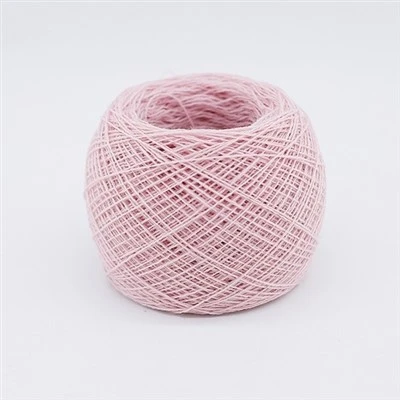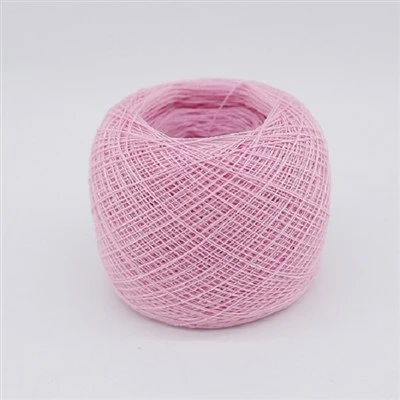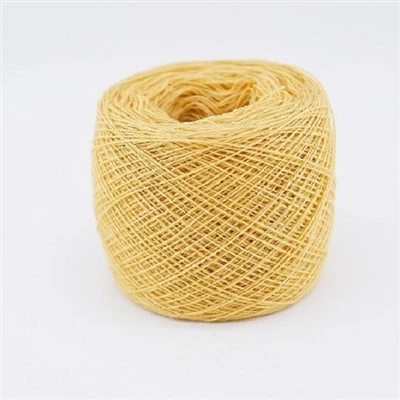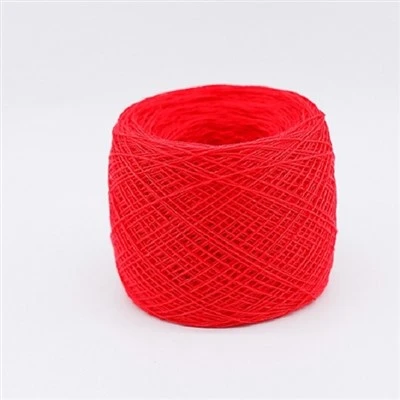

Acrylic alpaca blend yarn is a popular choice in the textile industry, offering a unique combination of the softness and warmth of alpaca fiber with the durability and affordability of acrylic. As a supplier of this versatile yarn, I often receive inquiries about how it responds to heat. Understanding this aspect is crucial for both manufacturers and end - users, as it affects the yarn's performance in various applications, such as knitting, crocheting, and weaving.
Composition and Properties of Acrylic Alpaca Blend Yarn
Before delving into its heat response, it's important to understand the composition of acrylic alpaca blend yarn. Alpaca fiber is known for its natural warmth, softness, and hypoallergenic properties. It has a fine structure that traps air, providing excellent insulation. On the other hand, acrylic is a synthetic fiber that is strong, color - fast, and easy to care for. When these two fibers are blended, the resulting yarn combines the best of both worlds.
The proportion of alpaca to acrylic in the blend can vary. A common blend might be 50% alpaca and 50% acrylic, but it can range from a higher alpaca content for a more luxurious feel to a higher acrylic content for increased durability. This blend ratio also influences how the yarn responds to heat.
Heat - Related Behaviors of Acrylic Alpaca Blend Yarn
Melting Point
Acrylic has a relatively low melting point compared to natural fibers. Pure acrylic typically melts at around 230 - 250°C (446 - 482°F). Alpaca fiber, being a natural protein fiber, decomposes rather than melts at high temperatures, usually starting to break down around 200 - 220°C (392 - 428°F). In an acrylic alpaca blend, the presence of acrylic means that the yarn can start to show signs of melting or deformation at relatively high temperatures.
For example, if exposed to direct heat from an iron set at a very high temperature, the acrylic component in the blend may begin to melt, which can cause the yarn to stick together and lose its original texture. This is an important consideration when ironing or heat - setting items made from acrylic alpaca blend yarn. It's recommended to use a low - heat setting on the iron and place a pressing cloth between the iron and the fabric to prevent direct contact and potential damage.
Shrinkage
Both alpaca and acrylic can shrink under certain heat conditions, but their behaviors are different. Alpaca fiber can shrink when exposed to hot water or high - heat drying. This is because the protein structure of alpaca can be altered by heat and moisture, causing the fibers to contract. The shrinkage of alpaca is usually more significant in natural, unprocessed form.
Acrylic, on the other hand, can also shrink when heated, but it is more predictable. The shrinkage of acrylic is often due to the relaxation of the fiber's molecular structure. In an acrylic alpaca blend, the overall shrinkage depends on the blend ratio. A higher alpaca content may result in more significant shrinkage, especially if the yarn is washed in hot water or dried at a high temperature. To minimize shrinkage, it's advisable to wash the yarn in cool water and air - dry it.
Thermal Insulation
One of the key properties of acrylic alpaca blend yarn is its thermal insulation. The air pockets within the alpaca fibers and the structure of the blended yarn help to trap heat. When exposed to heat, the yarn can retain warmth effectively. This makes it suitable for winter clothing items such as sweaters, scarves, and hats.
However, if the heat source is too intense, the insulation properties may be affected. For instance, if a garment made from acrylic alpaca blend yarn is placed too close to a fire or a very hot radiator, the yarn may start to lose its insulating ability as the fibers are damaged.
Applications and Heat Considerations
Knitting and Crocheting
In knitting and crocheting, heat can be used to shape and set the final product. For example, blocking is a common technique where a knitted or crocheted item is dampened and then shaped to the desired dimensions. Heat can be applied gently to speed up the drying process and help the item hold its shape.
When using acrylic alpaca blend yarn for these projects, it's important to use a moderate amount of heat. A hair dryer on a low - heat setting can be used to dry the item during blocking. High - heat sources should be avoided to prevent melting or shrinkage of the yarn.
Weaving
In weaving, heat may be used during the finishing process. However, the heat treatment must be carefully controlled. The acrylic component in the blend can be sensitive to high temperatures, and excessive heat can cause the yarn to become brittle or change color. Weavers should test a small sample of the yarn under the proposed heat conditions before treating the entire fabric.
Comparison with Other Yarns
Spun Silk Wool Antimicrobial Yarn
Spun Silk Wool Antimicrobial Yarn has a different heat response compared to acrylic alpaca blend yarn. Silk and wool are natural fibers, and they generally have higher resistance to heat compared to acrylic. Silk has a high melting point and can withstand relatively high temperatures without significant damage. Wool also has good heat - resistant properties, but it can shrink if exposed to hot water or high - heat drying.
The antimicrobial properties of this yarn may also be affected by heat. Some antimicrobial treatments may break down at high temperatures, reducing the yarn's effectiveness. In contrast, acrylic alpaca blend yarn's heat response is more influenced by the acrylic component, which is more likely to melt or deform at high temperatures.
Acrylic Blend Yarn
Acrylic Blend Yarn can vary widely in its heat response depending on the other fibers in the blend. If the blend contains only acrylic and a small amount of other fibers, its heat behavior will be similar to pure acrylic. It will have a relatively low melting point and may shrink when heated.
However, if the blend includes fibers with higher heat resistance, such as polyester, the overall heat response of the yarn will be improved. Compared to acrylic alpaca blend yarn, the heat response of a general acrylic blend yarn may be more predictable if the blend ratio is known.
Chunky Wool Blend Yarn
Chunky Wool Blend Yarn is often used for thick, warm garments. Wool has good natural insulation properties and can withstand moderate heat. However, like alpaca, wool can shrink when exposed to hot water or high - heat drying.
The chunky nature of this yarn may also affect its heat response. Thicker yarns may take longer to heat up and cool down, and they may retain heat better. In comparison, acrylic alpaca blend yarn may have a different balance of insulation and heat sensitivity due to the presence of acrylic.
Nylon Wool Blend Yarn
Nylon Wool Blend Yarn combines the strength of nylon with the warmth of wool. Nylon has a relatively high melting point and is resistant to heat. Wool, as mentioned earlier, has good heat - resistant properties but can shrink.
The heat response of nylon wool blend yarn is different from acrylic alpaca blend yarn. The nylon component in the blend makes it more resistant to melting and deformation at high temperatures. However, the wool component still needs to be protected from excessive heat to prevent shrinkage.
Sock Yarn with Nylon
Sock Yarn with Nylon is designed for durability and comfort. Nylon provides strength and abrasion resistance, while the other fibers in the blend, such as wool or cotton, contribute to warmth and softness.
When it comes to heat response, the nylon in the sock yarn helps to prevent melting and deformation. The other fibers may have their own heat - related behaviors, such as shrinkage. Acrylic alpaca blend yarn used for socks will have a different heat profile, with the acrylic component being more sensitive to high temperatures.
Conclusion and Call to Action
In conclusion, understanding how acrylic alpaca blend yarn responds to heat is essential for anyone working with this yarn. Whether you are a manufacturer, a crafter, or an end - user, being aware of its melting point, shrinkage potential, and thermal insulation properties can help you make the most of this versatile material.
As a supplier of acrylic alpaca blend yarn, I am committed to providing high - quality products and valuable information to my customers. If you are interested in learning more about our yarns or have any questions regarding their heat response or other properties, please feel free to reach out. We are ready to assist you in your procurement process and discuss how our yarns can meet your specific needs.
References
- Textile Science textbooks
- Manufacturer's data sheets on acrylic and alpaca fibers
- Research papers on fiber heat properties